

In today’s fast-moving business landscape, keeping track of physical assets is no longer a matter of guesswork or paper-based registers. Organisations across industries (from healthcare and education to logistics and manufacturing) are turning to asset tagging as a foundational practice for reliable, efficient asset management. Understanding why these small labels carry such significant operational weight is essential for any business looking to sharpen its resource control.
What to know
- Asset tags bridge the gap between physical items and digital records, enabling real-time tracking through technologies like barcodes, QR codes, RFID, and GPS.
- Effective tagging systems significantly reduce asset loss and theft by establishing a clear chain of custody and accountability across an organization.
- Proper asset labeling simplifies compliance and audit processes by providing accurate, up-to-date documentation with minimal manual effort.
- Selecting the right tag depends on the specific operational environment, with durable options like metal or specialized technology like RFID required for harsh or high-scale settings.
- A successful tagging implementation requires standardized processes, such as consistent naming conventions and integration with existing ERP or management systems.
- Ongoing maintenance, including regular audits and tag health monitoring, is essential to ensure long-term data integrity and system performance.
- Robust tagging facilitates better asset lifecycle management, leading to improved maintenance scheduling and more informed resource allocation decisions.
The Role of Asset Tags in Streamlining Asset Management
How asset tags enable accurate tracking across your organisation
At their core, asset tags are identification labels assigned to physical assets within a company. They typically take the form of barcode labels, QR code asset tags, or more advanced solutions such as RFID and GPS trackers. Each tag links a physical item to a digital record, capturing essential information including location, purchase date, and maintenance history. This direct connection between the physical and the digital is what makes real-time asset tracking genuinely achievable for organisations of all sizes.
Different tag types serve different environments and operational needs. Barcode tags remain a popular and cost-effective choice for retail, healthcare, and manufacturing settings, enabling quick inventory scanning. QR codes hold considerably more data and are well-suited to environments such as schools or museums, where detailed asset identification is a priority. RFID tags bring automated tracking without requiring line of sight, making them particularly valuable in logistics and transportation. For fleet management and high-value mobile equipment, GPS asset tracking offers real-time location monitoring and even geofencing capabilities to deter theft.

Reducing loss and improving accountability through proper tagging
One of the most compelling arguments for adopting an asset tracking system is its direct impact on loss prevention and accountability. When every asset carries a unique tag, the risk of items going missing or being misappropriated is significantly reduced. Systematic tracking allows teams to identify discrepancies quickly, flag unauthorised movements, and maintain a clear chain of custody across departments and sites. Tamper-evident tags add a further layer of security in sensitive environments such as laboratories and data centres, providing a visible indication should an asset be interfered with.
Beyond security, asset tags are invaluable tools for compliance tracking. During audits, organisations with a well-maintained asset register can demonstrate accurate, up-to-date records with minimal manual effort. This audit-readiness is a significant operational advantage, reducing the time and cost associated with verification exercises.
Best Practices for Implementing an Asset Tagging System
Choosing the Right Tag Type for Your Assets and Environment
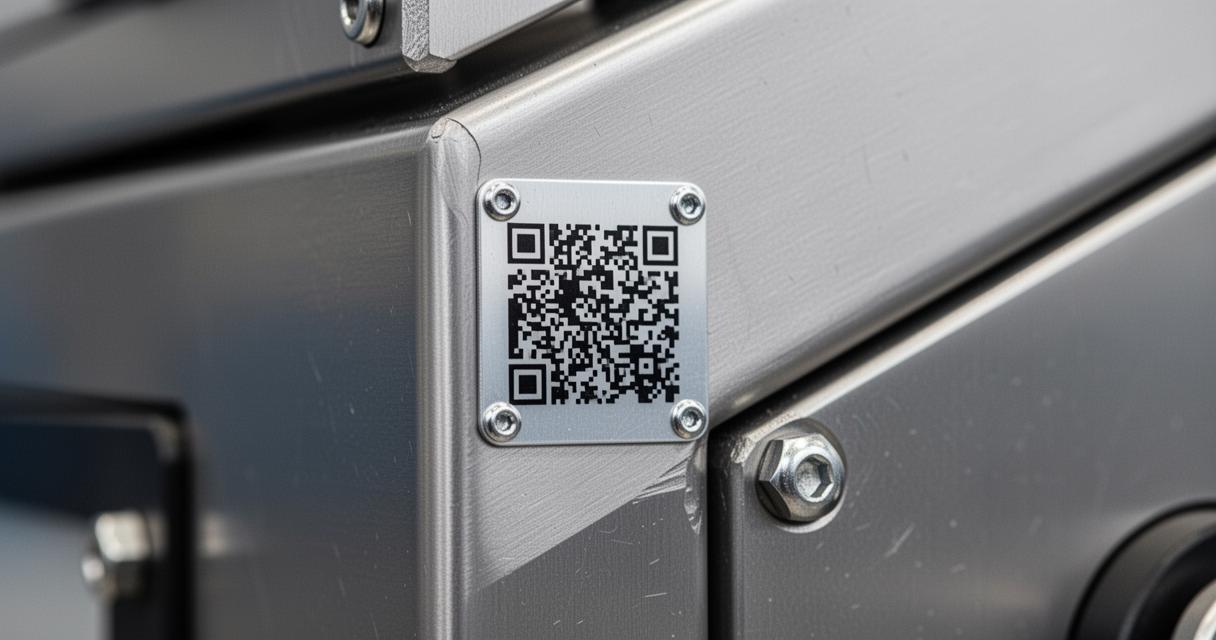
Selecting the appropriate tag type is a decision that should be guided by the specific demands of your environment and the nature of the assets involved. Metal tags, for instance, are engineered for durability in construction and other harsh conditions, whilst colour-coded tags offer rapid visual categorisation in busy settings such as hospitals and open-plan offices. Organisations managing assets across multiple locations benefit greatly from RFID tracking or GPS solutions, which support automated, hands-free monitoring at scale.
A scalable tagging system rests on standardised processes established from the outset. This means agreeing on consistent numbering conventions, an asset taxonomy, and capture templates before rolling out across additional sites. Integrating asset tags with ERP systems or dedicated management platforms ensures that each asset maintains a single, reliable identity across all operational systems, supporting both work order management and preventive maintenance scheduling.

Maintaining and Auditing Your Asset Tags for Long-Term Efficiency
Implementing asset tags is not a one-time exercise, ongoing accuracy depends on regular verification cycles, tag health monitoring, and disciplined asset audit practices. Digital gate passes and clearly defined approval workflows help maintain data integrity, ensuring that any updates to asset records are properly authorised and logged. Measuring performance through key indicators such as tagging coverage, verification currency, and exception counts allows facility management teams to identify gaps and address them proactively.
The long-term benefits of a well-maintained tagging system extend well beyond loss prevention. Accurate, real-time data supports data-driven maintenance decisions, reducing equipment failure and unplanned downtime. It also enables smarter resource allocation, as managers gain a clear, current picture of asset availability and condition across the organisation. Ultimately, robust asset lifecycle management (from acquisition through to disposal) becomes far more achievable when every asset is consistently and reliably tagged, tracked, and recorded.