
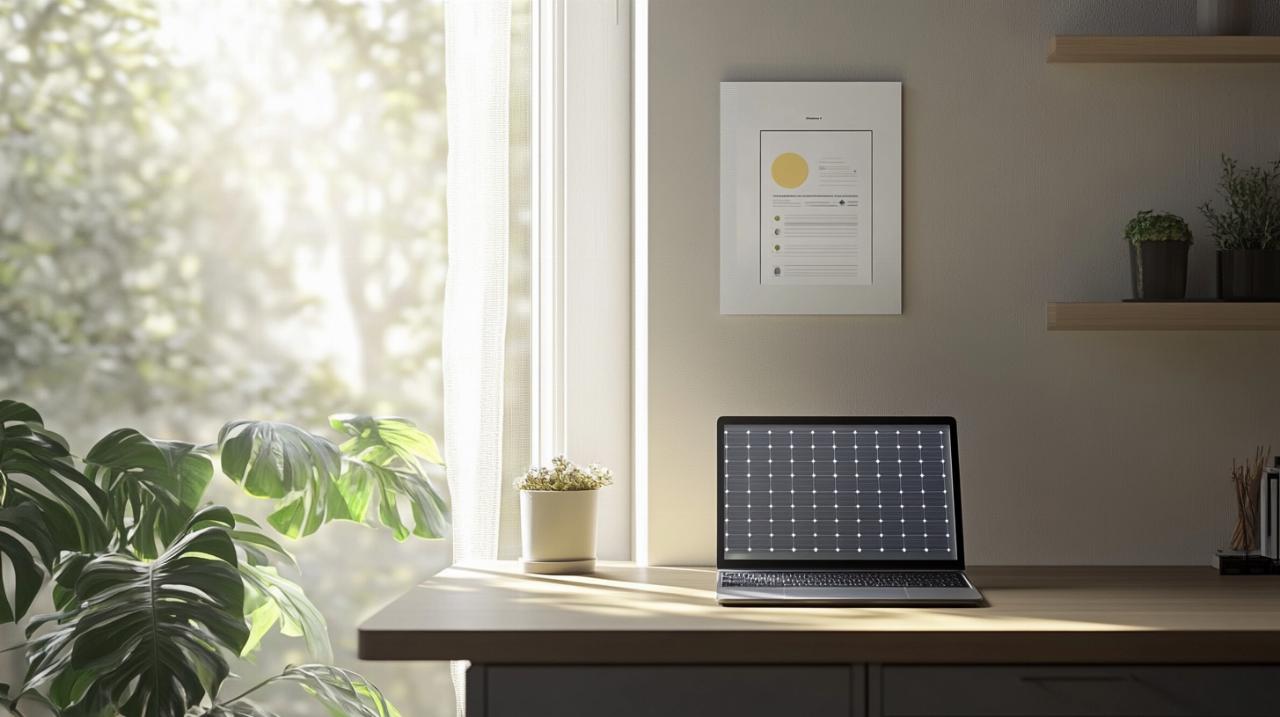
Harnessing the power of the sun through solar panels has become an increasingly popular choice for homeowners and businesses alike, particularly as the push towards renewable energy intensifies. When it comes to getting the most out of your Mon Kit Solaire, understanding how to position and orient your panels correctly is absolutely crucial. The difference between a well-aligned system and one that is poorly positioned can mean the loss of up to thirty percent of your energy production. This guide will walk you through the essential principles and practical steps needed to ensure your solar installation delivers the maximum possible output throughout the year, transforming sunlight into reliable, clean electricity for your home.
Understanding the Fundamentals of Solar Panel Positioning for Maximum Efficiency
Solar panels work best when they receive direct sunlight, and this simple fact underpins the entire approach to installation and orientation. The sun's position in the sky is not static; it shifts throughout the day and changes with the seasons, making optimal alignment a continuous challenge. In the Northern Hemisphere, the general rule is to face your panels towards the equator, which means pointing them south to capture the most sunlight. Conversely, in the Southern Hemisphere, panels should face north. This equator-facing orientation ensures that your panels are angled towards the sun for the longest possible period each day, maximising the solar radiation they receive and, consequently, the electricity they generate.
The concept of azimuth and zenith angles is fundamental to understanding solar panel positioning. Azimuth refers to the compass angle of the sun as it moves from east to west, with zero degrees representing due south in the Northern Hemisphere. Zenith, on the other hand, is the angle of the sun from the horizon, starting at zero degrees at sunrise and sunset and reaching ninety degrees when the sun is directly overhead. These angles vary significantly depending on your geographical location and the time of year. For instance, in London, which sits at fifty degrees north latitude, the sun's path spans two hundred and sixty-two degrees in summer with a maximum zenith of sixty-two degrees, while in winter the path narrows to just one hundred and four degrees with a maximum zenith of only fifteen degrees. Understanding these variations is key to setting up your Mon Kit Solaire for optimal performance.
The science behind optimal sun exposure and energy generation
The amount and intensity of sunlight hitting your solar panels directly influences how much energy they can produce. During the winter months, sunlight is weaker and reaches the earth at a lower angle, which means panels need to be positioned more vertically to capture as much light as possible. In contrast, summer brings stronger sunlight at a higher angle, allowing panels to be angled more horizontally. This seasonal variation means that a fixed installation must strike a balance, typically by setting the tilt angle to match the latitude of your location. For example, in London, a tilt angle of around thirty-eight degrees is ideal for year-round performance, as it represents the equinoxes when the sun is at a mid-point in its annual cycle.
Research and practical experience have shown that adjusting panel angles throughout the year can increase power output by between ten and forty percent. Even small adjustments can make a noticeable difference, although misalignment of up to fifteen degrees generally has a minimal impact on overall efficiency. For those looking to optimise their system for specific seasons, such as winter when energy demand is higher, tilting the panels to capture the lower winter sun can help reduce peak electricity costs. Alternatively, some homeowners opt for solar tracking systems, which automatically adjust the panels' orientation to follow the sun's path across the sky. Dual-axis trackers, which adjust for both daily and seasonal changes, can increase the solar radiation received by between thirty-three and thirty-eight percent, making them an attractive option for maximising energy generation.
Why proper orientation matters when installing mon kit solaire
Using true south rather than magnetic south is a critical detail that can cause efficiency losses of up to thirty degrees if overlooked. Magnetic compasses point towards magnetic north, which can be several degrees off from true north depending on your location. This discrepancy may seem minor, but it can significantly impact the amount of sunlight your panels receive. To ensure your Mon Kit Solaire is correctly aligned, it is worth using a sun chart or a smartphone app designed to help determine the best panel direction and angle based on your specific location. These tools can provide precise guidance, taking into account local factors such as shading from nearby buildings or trees, which can reduce solar panel output by twenty to thirty percent.
Shading is one of the most common and easily avoidable causes of poor solar performance. Even partial shading on a single panel can affect the output of an entire array, depending on how the system is wired. Therefore, ensuring that panels are never shaded, especially during peak sunlight hours, is absolutely essential. This may require trimming trees, relocating panels, or installing them on a different part of the roof or on a ground-mounted array where shading is less of an issue. Flat roofs and ground-mounted arrays offer greater flexibility in panel placement, allowing for more precise alignment with the sun's path. Solar carports, which combine parking with energy generation, are another innovative solution that can provide shade for vehicles while maximising solar exposure for the panels above.
Practical Installation Tips for Getting the Most from Your Mon Kit Solaire System
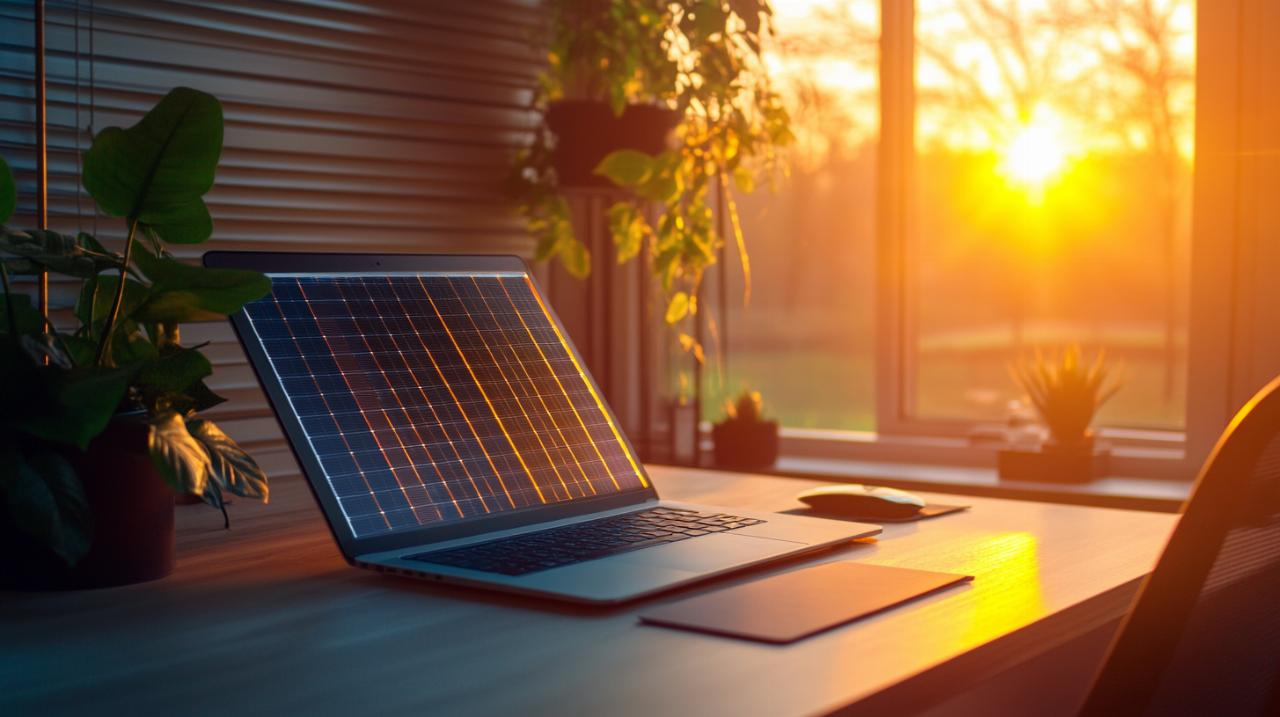
When it comes to actually installing your Mon Kit Solaire, the process can be straightforward if you follow a few key guidelines. First, determine the optimal tilt angle for your panels by setting them to match your latitude. This provides the best year-round performance, though you can adjust the angle by fifteen degrees for seasonal improvements of five to ten percent. For instance, if you live in a region with harsh winters, you might tilt your panels slightly steeper to capture the lower winter sun more effectively. Conversely, in summer, a shallower angle can help maximise output when the sun is higher in the sky.
It is also important to consider the orientation of your roof. South-facing roofs are ideal in the Northern Hemisphere, as they receive the most sunlight throughout the day. However, not all homes are blessed with a perfectly south-facing roof. East-facing panels, which generate around seventy-five to eighty percent of the output of south-facing panels, deliver peak power in the morning, making them suitable for households that use more electricity early in the day. West-facing panels, which generate eighty to eighty-five percent of south-facing output, provide peak power in the afternoon, aligning well with evening energy use. In some cases, an east-west panel setup can be financially sound, particularly when it aligns with electricity rates and household consumption patterns.
Straightforward mounting techniques for your home setup
Mounting your Mon Kit Solaire securely and at the correct angle is essential for both safety and performance. Begin by assessing the structural integrity of your roof to ensure it can support the weight of the panels and mounting hardware. Once you have confirmed that the roof is suitable, install the mounting brackets at the calculated tilt angle, ensuring they are firmly attached to the roof rafters. The panels should then be secured to these brackets, taking care to align them in the direction you have determined to be optimal. If you are installing panels on a flat roof, adjustable mounting frames can provide the flexibility needed to achieve the perfect angle and orientation.
For ground-mounted arrays, the process is similar but offers even more flexibility. You can position the panels at any angle and orientation, free from the constraints of roof structure or shading from nearby buildings. This makes ground-mounted systems an excellent choice for properties with ample outdoor space. Regardless of the mounting method, it is crucial to ensure that all electrical connections are secure and weatherproof. Properly installed wiring will protect your system from the elements and ensure reliable performance for years to come. Many installers recommend using critter guards to protect the panels and wiring from pests, which can cause damage and reduce efficiency.
Seasonal Adjustments and Maintenance for Peak Performance Throughout the Year
Once your Mon Kit Solaire is installed, regular maintenance and seasonal adjustments can help maintain peak performance. Cleaning your panels periodically is essential, as dust, dirt, and bird droppings can accumulate on the surface and block sunlight. A simple rinse with water and a soft brush is usually sufficient to keep panels clean and operating efficiently. In addition to cleaning, conducting system health checks at least once a year can help identify any issues before they become major problems. Look for signs of wear or damage, such as cracked panels, loose connections, or corrosion on the mounting hardware.
Seasonal adjustments can further boost your energy output. In regions with significant seasonal variation, adjusting the tilt angle of your panels twice a year, once before winter and once before summer, can increase power production by up to ten percent. This adjustment need not be complicated; even a small change of ten to fifteen degrees can make a noticeable difference. For those who prefer a more automated approach, solar tracking systems offer a hands-off solution. These systems use sensors and motors to continuously adjust the panel orientation, following the sun's path throughout the day and year. While they represent a higher initial investment, the increased energy production, which can be as much as twenty-five to thirty percent per year, often justifies the cost over the long term.
In addition to physical maintenance, monitoring your system's performance can help you identify any drops in output that may indicate a problem. Many modern solar installations come with monitoring software that tracks energy production in real time, allowing you to spot issues quickly. If you notice a sudden decrease in output, it could be due to shading, dirt on the panels, or a technical fault. Addressing these issues promptly ensures that your Mon Kit Solaire continues to deliver the maximum possible energy output, helping you make the most of your investment in renewable energy.