

In today’s rapidly evolving workplace environment, ensuring the safety of employees and visitors remains a top priority for organisations across all sectors. The implementation of clear, universally understood safety signage plays a crucial role in accident prevention and emergency preparedness. As we move into 2026, the adoption of ISO 7010 standards continues to gain momentum, providing a comprehensive framework for safety symbols that transcend language barriers and ensure global consistency. This complete guide explores the finest options available from Seton, a leading provider of workplace safety solutions, offering professionals and management teams the insights needed to make informed decisions about their security at work infrastructure.
| Aspect | ISO 7010 Standard | UK Safety Sign Regulations |
|---|---|---|
| Legal Status | Voluntary in Belgium; legally required in many countries; particularly beneficial for companies with international staff | Required when significant risks remain after other control measures; aligns with European directive 92/58/EEC |
| Scope | International standard defining graphical symbols for safety signage; over 30,000 pictograms available | Domestic UK requirements aligned with EU directives to ensure consistent sign meaning across member states |
| Sign Categories | Five categories: E (emergency exits), F (fire safety), M (mandatory actions), P (prohibitions), W (warnings) | Must indicate specific actions: prohibitions, safeguards, hazards, or exits; follows ISO 3864-1 shapes and colours |
| Development History | First published 2003; approved 2011; substantial update 2019 introducing new symbols including emergency alarms and defibrillators | Published as ISBN 978 0 7176 6598 3, series code L64 (third edition); updated to reflect EU directive alignment |
| Primary Benefit | Transcends language barriers; ensures global consistency; prevents confusion through universally understood symbols | Ensures clear, legible communication; prevents employer liability; maintains consistency across UK workplaces |
| Implementation Guidance | Developed by ISO/TC 145/SC 2 (secretariat: DIN Germany); placement at eye level (approx. 1.6 metres) with good lighting | Employers must avoid overuse to prevent confusion; guidance available through HSE Books (+44 (0)333 202 5070) |
Seton
Seton stands as a premier authority in the field of workplace safety signage, offering an extensive range of products that adhere to the rigorous requirements of ISO 7010 standards. The company has established itself as a trusted partner for organisations seeking to enhance their safety protocols through high-quality, compliant signage solutions. With a commitment to providing fast delivery via FedEx and operating hours from Monday to Friday between half past eight in the morning until half past five in the evening, with a midday break, Seton ensures that businesses can quickly access the safety equipment they need. Their customer service team, reachable at 01 34 94 14 10, provides expert guidance on selecting appropriate signage for specific workplace requirements.
Comprehensive product range and manufacturing excellence
The breadth of Seton’s product portfolio demonstrates their deep understanding of diverse workplace safety needs. Their offerings encompass technical markers for pipes that identify substances including acid, air, water, gas, flammable materials, fire, and steam, all designed in compliance with international pictogram standards. Beyond these specialised markers, Seton provides engraved plates, technical labels, safety signage, and a variety of accessories that support comprehensive safety programmes. The company’s dedication to quality is evident in their partnership with manufacturers such as Aluplex Signalétique, based in Rambouillet, France, which ensures that over thirty thousand ISO 7010 pictograms are available, all manufactured to exacting French standards. This manufacturing partnership guarantees not only compliance with current regulations but also durability and visibility in demanding workplace environments.
Customer-focused service and compliance assurance
Seton’s approach to customer service extends beyond simply supplying products. The company offers secure payment options and a satisfaction guarantee that reflects their confidence in product quality and performance. Their expertise in regulatory compliance proves invaluable for organisations navigating the complex landscape of health and safety regulations, particularly as these relate to the French Labour Code and European directive 92/58/EEC, which mandate appropriate safety signage in workplaces. Seton’s specialists assist clients in conducting audits of existing signage to identify non-compliant signs that could potentially expose employers to liability in the event of accidents. This proactive approach to risk prevention helps organisations maintain not only legal compliance but also the highest standards of employee protection, creating safer working environments across residential, tertiary, and industrial settings.
workplace safety signs
The landscape of workplace safety signs has undergone significant transformation with the establishment and ongoing refinement of the ISO 7010 standard, first published in 2003 and regularly updated to reflect evolving safety requirements. This international standard defines graphical symbols for safety signage that ensure understanding across linguistic and cultural boundaries, addressing a critical need in increasingly globalised workplaces. The standard was first approved in 2011 and received a substantial update in 2019, introducing new symbols for contemporary safety measures including emergency alarms and defibrillators. The development of ISO 7010 by technical committee ISO/TC 145/SC 2, with secretariat responsibilities held by DIN in Germany, represents a collaborative effort to create consistency in safety communication worldwide.
Categories and regulatory framework
The ISO 7010 standard organises safety signs into five distinct categories, each serving a specific communication purpose within the workplace. The E category addresses emergency exits, whilst F covers fire safety equipment and procedures. The M category encompasses mandatory actions that employees must follow, P relates to prohibition signs that indicate forbidden activities, and W designates warning signs that alert individuals to potential hazards. These categories follow the shapes and colours outlined in ISO 3864-1 principles, with prohibition signs featuring red circles, obligation signs displayed in blue circles, warning and danger signs presented in yellow triangles, rescue and first aid information shown in green squares, and fire safety indicators marked by red squares. The design principles for graphical symbols, detailed in ISO 3864-3, ensure that each pictogram communicates its message clearly and effectively, reducing the risk of confusion that could lead to accidents or delayed emergency response.
Implementation and legal requirements
Whilst application of ISO 7010 remains voluntary in Belgium and varies according to local regulations in different jurisdictions, compliance with this international standard is legally required in many countries and proves particularly beneficial for companies employing international staff. Official Belgian federal services related to employment and social consultation provide guidance on working conditions, social dialogue, and discrimination issues that intersect with safety signage requirements. In the United Kingdom, guidance for Health and Safety Regulations regarding safety signs and signals, published with ISBN 978 0 7176 6598 3 as series code L64 in its third edition, clarifies that safety signs become required when significant risks to health remain after other control measures have been implemented. These regulations, which align with EU directives to ensure consistent sign meaning across member states, mandate that signs must be clear, legible, and indicate specific actions, whether prohibitions, safeguards, hazards, or exits. Employers and dutyholders must avoid overuse of signs to prevent confusion, ensuring that each sign serves a genuine safety purpose within the overall risk prevention strategy.
health and safety signs
Health and safety signs constitute an essential component of comprehensive workplace safety programmes, serving multiple functions that extend from accident prevention to facilitating emergency procedures. The crucial role these signs play becomes particularly evident in environments where hazards cannot be entirely eliminated through engineering controls or administrative measures. The internationally agreed symbols that form the foundation of modern safety signage help ensure clarity and consistency across diverse workplace settings, from manufacturing facilities to office environments, healthcare settings to educational institutions. The updated ISO standard includes new safety signs that reflect contemporary workplace risks and emergency response protocols, addressing everything from warnings about deep water to detailed emergency exit instructions.
Accident prevention and injury reduction
The primary function of health and safety signs centres on preventing accidents and reducing injuries in the workplace. By providing clear visual communication about hazards, prohibited activities, and required safety measures, these signs create a layer of protection that complements other safety systems. International standardisation through ISO 7010 helps prevent confusion and accidents by ensuring that a worker in London interprets a safety symbol identically to a colleague in Brussels or Berlin. This consistency proves particularly valuable in industries with mobile workforces or international operations, where employees may encounter unfamiliar environments. The pictograms should be placed at eye level, approximately one point six metres from the ground, with good lighting to ensure visibility under all conditions. Regular checks of signage placement and condition form part of comprehensive safety audits, helping organisations maintain effective visual communication about workplace risks.
Emergency response and compliance
Beyond daily hazard communication, health and safety signs play a critical role in emergency response situations where rapid comprehension and action can mean the difference between safety and tragedy. Fire safety signage, rescue and first aid indicators, and emergency exit markers must communicate instantly recognisable information that guides appropriate responses under stressful conditions. The introduction of new symbols for safety measures including emergency alarms and defibrillators reflects the evolving landscape of workplace emergency preparedness, ensuring that employees can quickly locate life-saving equipment when seconds matter. Compliance with these signage requirements extends beyond legal obligation to encompass ethical responsibility for employee wellbeing. Updates related to chemical classification, labelling, and packaging regulations as of 2015 demonstrate the ongoing refinement of safety communication standards, addressing emerging risks and incorporating lessons learned from workplace incidents. Organisations that invest in compliant, high-quality safety signage demonstrate their commitment to creating working environments where health protection receives the priority it deserves.
safety sign regulations UK
The regulatory landscape governing safety signs in the United Kingdom reflects both domestic legal requirements and alignment with European directives that ensure consistency across member states. The Health and Safety Regulations provide comprehensive guidance for employers, dutyholders, and individuals responsible for workplace safety, establishing clear parameters for when signs become necessary and what characteristics they must possess. This regulatory framework, available through HSE Books with contact number +44 (0)333 202 5070, serves as an essential reference for organisations seeking to maintain full compliance whilst creating genuinely safer working environments. The regulations clarify that safety signs become required when significant risks to health remain after other preventative measures have been exhausted, positioning signage as one element within a broader safety management system.
Regulatory alignment and standards
United Kingdom safety sign regulations align with European directive 92/58/EEC, creating consistency in sign meaning and application across international boundaries. This alignment facilitates commerce and labour mobility whilst ensuring that safety communication maintains effectiveness regardless of where employees have received their training. The regulations mandate that signs must communicate clearly and legibly, indicating specific actions such as prohibitions, required safeguards, warnings about hazards, or directions to exits. The shapes and colours specified mirror those established in ISO 3864-1, creating visual consistency that reinforces message comprehension. Prohibition signs employ red circles, obligation signs use blue circles, warning signs appear in yellow triangles, rescue and first aid information displays in green squares, and fire safety indicators utilise red squares. This colour and shape coding creates redundancy in communication, allowing individuals to interpret signs correctly even when viewing conditions are less than optimal or when unfamiliarity with specific pictograms might otherwise create uncertainty.
Employer responsibilities and liability
The regulations place specific responsibilities on employers and dutyholders to ensure appropriate safety signage forms part of their risk management approach. Non-compliant signage can lead to employer liability in case of accidents, creating both legal and financial consequences that extend beyond the immediate human cost of workplace injuries. The guidance emphasises that overuse of signs should be avoided to prevent confusion, recognising that excessive or inappropriate signage can diminish the effectiveness of genuinely necessary warnings and instructions. This balanced approach requires employers to conduct thorough risk assessments, identifying where visual communication genuinely contributes to safety and where other control measures may prove more effective. Regular audits of existing signage help organisations identify signs that no longer meet current standards, allowing for systematic replacement that maintains compliance whilst managing costs. The regulations also address the intersection between safety signage and other visual communication systems, including those related to chemical labelling and packaging, ensuring that multiple regulatory requirements work in concert rather than creating conflicting demands on workplace design and management.
construction site signs
Construction sites present unique challenges for safety signage implementation, combining multiple hazards, constantly changing work environments, and diverse workforces that may include employees from various organisations and linguistic backgrounds. The application of ISO 7010 standards to construction environments addresses these challenges by providing universally understood symbols that communicate essential safety information without relying on written language. Construction site signs must withstand harsh environmental conditions including exposure to weather, dust, and physical impacts whilst maintaining visibility and legibility throughout the project lifecycle. The five families of pictograms established under ISO 7010 find particular application in construction settings, where prohibition signs prevent unauthorised access to dangerous areas, warning signs alert workers to specific hazards, mandatory action signs indicate required personal protective equipment, rescue and first aid signs guide emergency response, and fire safety signs identify equipment and escape routes.
Hazard communication in dynamic environments
The dynamic nature of construction sites demands flexible signage solutions that can adapt as work progresses and different hazards emerge. Technical markers for pipes identifying acid, air, water, gas, flammable materials, fire, and steam prove essential in construction projects involving complex utility systems, whilst more general warning signs alert workers to risks including deep excavations, overhead loads, and electrical hazards. The placement of signs at eye level, approximately one point six metres from ground level, requires adjustment in construction environments where ground surfaces may be uneven or constantly changing. Good lighting becomes particularly challenging on construction sites where work may occur in partially completed structures or during extended hours, necessitating consideration of reflective materials or supplementary illumination. The development of new symbols for safety measures including emergency alarms ensures that workers can quickly identify warning systems even when unfamiliar with specific site layouts, supporting rapid evacuation when necessary.
Regulatory compliance and multinational workforces
Construction sites frequently employ multinational workforces, making the language-independent communication provided by ISO 7010 pictograms particularly valuable. Compliance with ISO 7010 proves beneficial for companies with international staff, eliminating confusion that could arise from text-based signs in languages that not all workers understand fluently. The international standardisation achieved through technical committee ISO/TC 145/SC 2 helps prevent confusion and accidents by ensuring consistent interpretation of safety symbols across borders and cultures. Construction site managers must balance comprehensive hazard communication with the regulatory guidance to avoid overuse of signs that could lead to confusion, requiring careful assessment of which warnings genuinely contribute to safety in specific site contexts. The French Labour Code and European directive 92/58/EEC both mandate appropriate safety signage in workplaces, requirements that extend to temporary construction sites as well as permanent facilities. Regular audits of existing signage become particularly important in construction environments where site conditions change frequently, helping identify when new signs become necessary or when previously installed signs no longer serve relevant safety functions.
custom safety signs
Whilst standardised ISO 7010 pictograms address the vast majority of workplace safety communication needs, specific organisational contexts occasionally require custom safety signs that address unique hazards or communicate site-specific information. The challenge in developing custom safety signs lies in maintaining the clarity and instant recognisability that characterise effective safety communication whilst addressing circumstances not covered by existing international standards. Organisations considering custom signage must carefully evaluate whether their needs truly fall outside the scope of the more than thirty thousand ISO 7010 pictograms currently available, manufactured to high standards that ensure durability and visibility. When custom signs prove necessary, adherence to the design principles outlined in ISO 3864-3 for graphical symbols ensures that new signs integrate seamlessly with standard signage, maintaining visual consistency that supports rather than undermines overall safety communication.
Design principles and integration
Custom safety signs should follow the established shapes and colours defined by ISO 3864-1 principles, ensuring that viewers can immediately categorise the sign based on visual characteristics before processing the specific message. Prohibition custom signs should employ red circles, obligation signs should use blue circles, warning signs should appear in yellow triangles, rescue and first aid custom signs should display in green squares, and fire safety custom indicators should utilise red squares. This adherence to established colour and shape conventions allows custom signs to benefit from the learned associations that workers develop through exposure to standard signage, reducing the cognitive load required to interpret new symbols. Engraved plates and technical labels offer options for custom signage that maintains professional appearance and durability comparable to standard products. Organisations should avoid creating custom signs that could be confused with existing ISO 7010 symbols, as such confusion could lead to dangerous misinterpretation during emergencies when rapid, accurate comprehension becomes critical.
Applications and quality assurance
Appropriate applications for custom safety signs include organisation-specific procedures, site-specific hazard locations, or specialised equipment that lacks standard pictogram representation. For instance, whilst fire safety categories and emergency exit symbols follow well-established standards, a facility with unique evacuation procedures due to building configuration might benefit from custom directional signage that complements rather than replaces standard exit signs. Technical signage for specialised industrial processes may require custom markers that identify specific chemicals, pressures, or operational states not addressed by general pipe marking systems. When commissioning custom safety signs, organisations should work with experienced providers who understand both regulatory requirements and design principles, ensuring that custom elements enhance rather than compromise overall safety communication effectiveness. Quality assurance for custom signs should match that applied to standard products, with materials and manufacturing processes that ensure visibility under all lighting conditions and durability throughout the sign’s intended service life. Regular review of custom signage during safety audits helps organisations assess whether custom signs continue to serve their intended purpose or whether changes in operations, regulations, or available standard symbols might warrant replacement with updated solutions.
mandatory signs
Mandatory signs, designated within the M category of ISO 7010 and displayed in blue circles, communicate required actions that individuals must take to maintain safety in specific workplace areas or situations. These signs prove particularly important for indicating when personal protective equipment must be worn, when specific procedures must be followed, or when access requires particular qualifications or authorisations. The blue circle format creates instant visual recognition that distinguishes mandatory signs from prohibitions, warnings, or informational signage, allowing workers to quickly identify when they must take specific actions before proceeding. Common mandatory signs include requirements to wear safety helmets, eye protection, hearing protection, respiratory protection, safety footwear, and high-visibility clothing, though the category extends to procedural requirements such as handwashing, disconnecting power before maintenance, or following specific routes.
Personal protective equipment communication
Personal protective equipment requirements form the largest subset of mandatory signs, addressing the final line of defence when engineering controls and administrative measures cannot fully eliminate workplace hazards. The ISO 7010 standard provides pictograms for diverse PPE requirements, ensuring that workers understand what equipment they must don before entering specific areas. Construction sites make particularly extensive use of mandatory PPE signs, often requiring multiple forms of protection simultaneously in high-risk zones. The placement of these signs at entry points to hazardous areas, at eye level approximately one point six metres from the ground with good lighting, ensures that workers encounter the requirement before exposure to the hazard occurs. Mandatory signs work most effectively when integrated with comprehensive training programmes that explain not only what equipment is required but why specific protection proves necessary, fostering understanding that promotes voluntary compliance beyond mere rule-following. Organisations must ensure that required PPE remains readily available and properly maintained, as mandatory signs create expectations that inadequate equipment provision undermines, potentially eroding trust in broader safety communications.
Procedural and access requirements
Beyond personal protective equipment, mandatory signs communicate procedural requirements essential to safe operations. These might include requirements to disconnect electrical power before accessing equipment, to depressurise systems before opening valves, to follow specific sequences when operating machinery, or to maintain particular clearances or distances. Such procedural mandatory signs prove particularly valuable in environments where multiple contractors or shifts of workers interact with the same equipment, ensuring consistent safe practices regardless of who performs specific tasks. Access requirement signs, indicating areas restricted to authorised personnel or requiring specific training or qualifications, help control exposure to specialised hazards. The effectiveness of mandatory signs depends heavily on organisational culture and enforcement practices, as signs alone cannot compel compliance without supporting management systems that verify adherence and address non-compliance. Regular safety audits should assess not only whether appropriate mandatory signs are installed and maintained but also whether actual workplace practices reflect the requirements these signs communicate, identifying gaps between signage and behaviour that require additional training, supervision, or potentially redesigned work processes that reduce reliance on procedural controls.
fire exit signs
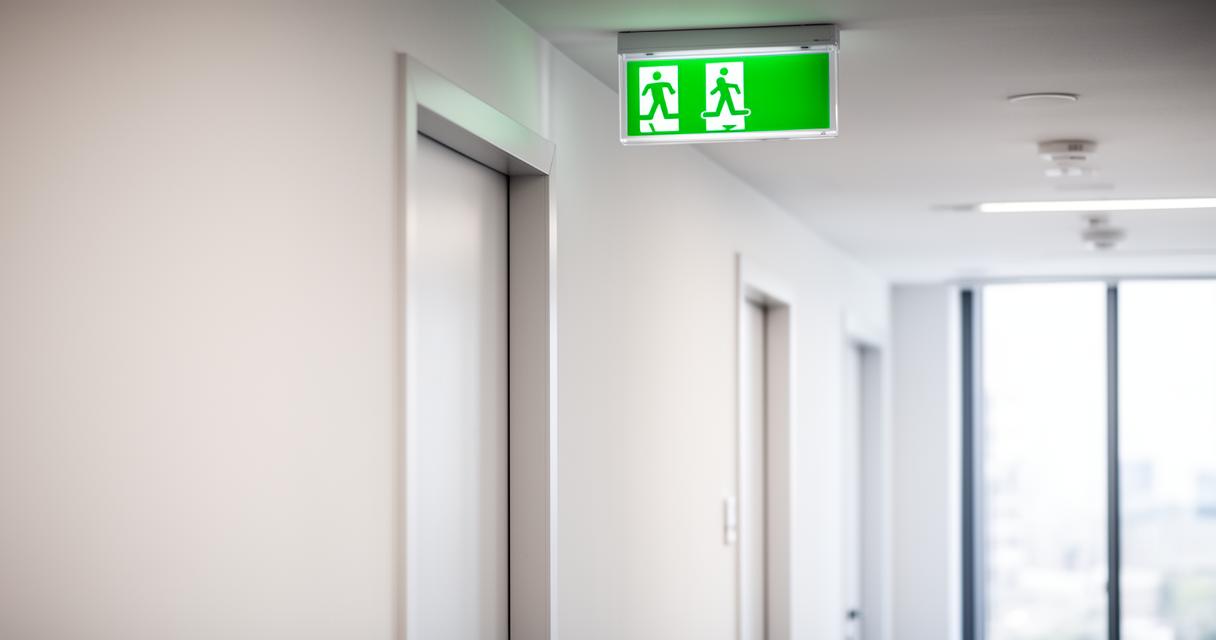
Fire exit signs constitute perhaps the most universally recognised category of safety signage, serving the critical function of guiding building occupants to safety during emergency evacuations. These signs, falling within the E category for emergency exits and displayed in green squares according to ISO 7010 standards, must remain visible and comprehensible under the stressful, potentially smoke-obscured conditions that characterise actual fire emergencies. The importance of fire exit signs extends beyond mere regulatory compliance to encompass fundamental life safety, as confusion or delay during evacuation can transform survivable incidents into tragedies. Modern fire exit signage incorporates lessons learned from decades of emergency research, employing pictograms that communicate directional information and exit locations without relying on text that might not be understood by all building occupants or that might become obscured by smoke or failed lighting systems.
Design standards and visibility requirements
Fire exit signs must meet stringent design and visibility requirements that ensure effectiveness across diverse emergency scenarios. The green square format with white pictograms creates high contrast that remains visible even when ambient lighting fails, whilst many modern fire exit signs incorporate photoluminescent materials that glow after exposure to light, maintaining visibility during power failures. The ISO 7010 standard specifies precise pictogram designs that communicate exit locations, directional arrows, and the concept of emergency egress through universally understood symbols. Installation guidelines recommend placement at eye level, approximately one point six metres from floor level, though fire exit signs often appear both at standard viewing height and near floor level to account for smoke stratification that can obscure ceiling-mounted signs whilst leaving lower areas relatively clear. Regular checks of fire exit signs form essential components of fire safety programmes, verifying not only that signs remain in place and properly illuminated but also that exit routes remain unobstructed and that signage accurately reflects current building configuration following any renovations or changes in space usage.
Integration with emergency systems
Fire exit signs function most effectively when integrated with comprehensive emergency preparedness systems that include fire alarms, emergency lighting, evacuation procedures, and regular drills. The introduction of new symbols for safety measures including emergency alarms ensures coordination between audible warning systems and visual guidance towards safety. Fire safety categories within ISO 7010 extend beyond exit signs to encompass pictograms identifying fire extinguishers, fire hose reels, fire alarm call points, and assembly points, creating a complete visual communication system for fire emergency response. The red square format used for fire safety equipment signs ensures clear differentiation from green emergency exit signs, preventing confusion about whether a sign indicates an escape route or the location of firefighting equipment. European directive 92/58/EEC and corresponding United Kingdom regulations mandate appropriate fire safety signage, reflecting the critical importance of this safety communication category. Organisations must ensure that fire exit signs remain visible and accurate throughout building lifecycles, updating signage promptly when renovations alter escape routes or when new exits are created, as outdated or inaccurate fire exit signs can prove worse than no signage at all by directing evacuees towards blocked or non-existent exits during the critical moments when rapid egress determines survival.